Retinol: The Anti-Aging Vitamin for Transformed Skin
Looking for the ultimate ingredient to combat the signs of aging and improve your skin's texture? Retinol is the answer. In this article, we reveal everything you need to know about this powerful anti-aging vitamin.
Retinol: The Anti-Aging Vitamin for Transformed Skin
At Loreey Beauty, we know that the quest for youthful, radiant, and blemish-free skin is constant. Among the myriad of ingredients and treatments that promise miracles, one stands out for its proven efficacy and transformative power: retinol. This powerful form of vitamin A has rightfully earned its reputation as the “gold standard” in anti-aging skincare, and for good reason. If you haven't yet incorporated it into your routine or have questions about how to do so, this article is for you. We will unveil the secrets of retinol and how it can become your best ally for spectacular skin.
Retinol is not just a passing trend; it's science. Its ability to communicate with our skin cells and stimulate their renewal is what makes it an essential active ingredient. But what exactly is it and how does it work? Join us on this journey to find out.
What is Retinol and How Does It Work on Our Skin?
Retinol is a derivative of vitamin A, an essential nutrient for the proper functioning of our body, including the skin. Within the retinoid family (which also includes retinaldehyde and retinoic acid, among others), retinol is the most well-known and studied form available in over-the-counter products. Its magic lies in its ability to penetrate the deeper layers of the skin and act at a cellular level.
Once applied, retinol converts into retinoic acid, the active form that directly interacts with cellular receptors. This interaction triggers a series of impressive benefits:
- Stimulates cell renewal: It accelerates the skin cell turnover cycle, removing dead cells and promoting the production of new, healthy cells. This results in smoother, more luminous, and even-toned skin.
- Boosts collagen and elastin production: Collagen and elastin are the proteins responsible for skin firmness and elasticity. With age, their production decreases, leading to wrinkles and sagging. Retinol counteracts this process, helping to redensify the skin and reduce the appearance of fine lines and wrinkles.
- Reduces hyperpigmentation: By accelerating cell renewal, retinol helps eliminate excess pigmented cells, improving the appearance of sun spots, melasma, and other discolorations. The result is a more homogeneous skin tone.
- Unclogs pores and fights acne: Thanks to its exfoliating effect and sebum production regulation, retinol is an excellent ally in treating acne. It prevents the formation of comedones (blackheads and whiteheads) and reduces inflammation.
In essence, retinol acts as a powerful cellular communicator that “reprograms” the skin to behave like younger, healthier skin.
Integrating Retinol into Your Routine: Essential Tips
While retinol is incredibly effective, its use requires a gradual introduction to avoid irritation. Here's a guide to starting off on the right foot and maximizing its benefits:
- Start with low concentrations: If you're a beginner, opt for products with concentrations from 0.25% to 0.5%. Once your skin adapts, you can gradually increase the concentration if necessary and under professional supervision.
- Gradual introduction: For the first two weeks, apply retinol 2-3 nights a week. If your skin tolerates it well, you can increase to alternate nights and, finally, if your skin allows and needs it, to daily use.
- Application time: Retinol should be applied at night, as sunlight can degrade it and increase skin sensitivity. After cleansing and drying your face, apply a small amount (pea-sized) over your entire face, avoiding the eye and lip contour initially.
- Hydration is key: Retinol can cause dryness and irritation, especially at first. Always follow with a rich moisturizer to soothe the skin and restore the skin barrier. The “sandwich” technique (moisturizer-retinol-moisturizer) can be helpful for sensitive skin.
- Sunscreen, always!: Retinol use makes the skin more sensitive to the sun. It is ABSOLUTELY ESSENTIAL to apply a broad-spectrum sunscreen with SPF 30 or higher every morning, regardless of the weather.
- Be patient and consistent: Retinol results are not immediate. They can take several weeks or even months to become visible. Consistency and patience are key.
- Don't combine it with everything: Be cautious when combining retinol with other potent active ingredients like alpha hydroxy acids (AHAs) or vitamin C in the same nightly routine, especially at first. It's better to alternate them or use them at different times of the day. If in doubt, consult a specialist.
Possible Side Effects and How to Manage Them
It's important to be aware that retinol can cause some side effects, especially during the adaptation phase, known as “retinization.” The most common include:
- Redness and flaking: Your skin may appear red and start to peel. This is normal and a sign that retinol is working and accelerating cell renewal.
- Dryness and tightness: The skin may feel drier and tighter than usual.
- Mild itching or stinging: A slight sensation of itching or stinging when applying the product.
To minimize these effects, in addition to following the gradual introduction tips, you can:
- Reduce frequency: If irritation is significant, space out applications even further (e.g., once a week).
- Use a good moisturizer: A rich, restorative cream can do wonders to soothe the skin.
- Avoid over-exfoliating: While using retinol, reduce the use of physical or chemical exfoliants that could further sensitize the skin.
- Listen to your skin: If irritation is severe or persistent, discontinue use and consult a professional.
Who Can Benefit from Retinol?
Retinol is a versatile ingredient that can benefit a wide range of people, especially those concerned about:
- Signs of aging: Wrinkles, fine lines, sagging, and lack of elasticity.
- Dark spots and uneven tone: Post-inflammatory hyperpigmentation, sun spots, and melasma.
- Skin texture: Enlarged pores, rough skin, or lack of luminosity.
- Acne: Especially comedonal acne and to prevent breakouts.
However, there are certain situations where retinol use is contraindicated or should be done with extreme caution, such as during pregnancy and breastfeeding. If you have any pre-existing skin conditions or are undergoing any treatment, it is essential to consult a specialist before starting retinol use.
The Loreey Beauty Experience with Retinol
At Loreey Beauty, we understand that every skin is unique. Therefore, before recommending any product or treatment with retinol, we perform a thorough skin diagnosis. Our experts will evaluate your skin type, specific concerns, and history to design a personalized routine that includes retinol in the safest and most effective way.
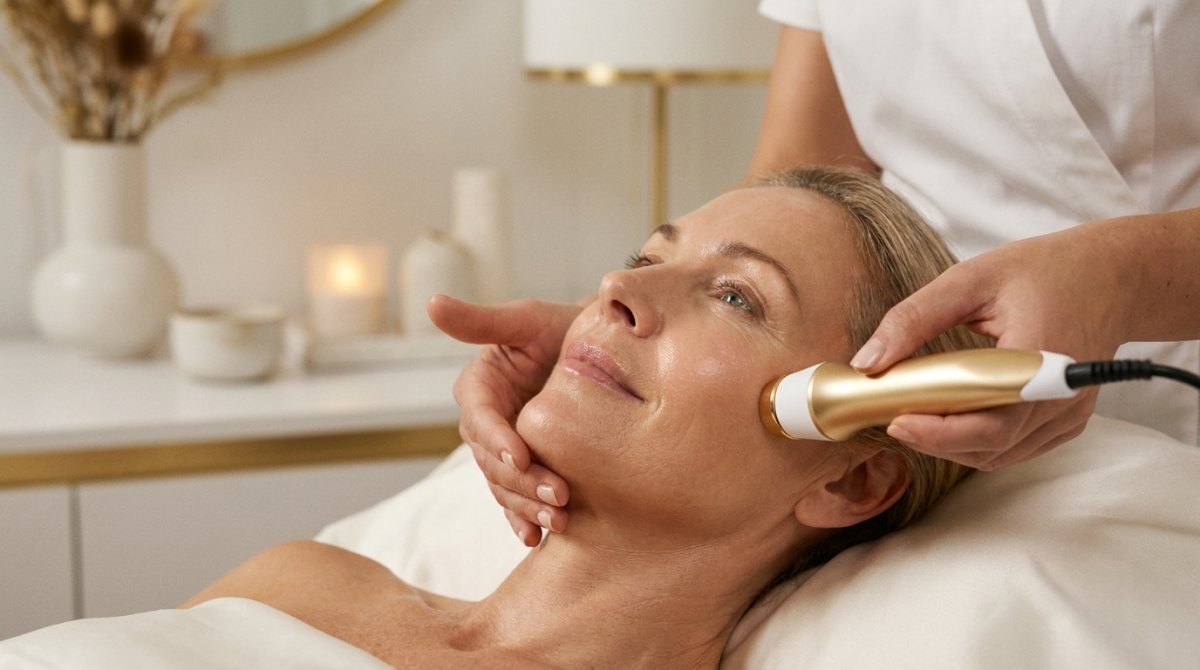
In addition to home cosmetics, we offer our professional treatments that can perfectly complement the benefits of retinol, enhancing your skin's renewal and health. The combination of good home care with the expertise of our professionals is the key to achieving spectacular and lasting results.
Conclusion: Retinol, Your Ally for Ageless Skin
Retinol is, without a doubt, a revolutionary ingredient that has transformed the world of aesthetic dermatology. Its ability to reverse and prevent multiple signs of aging, improve skin texture and tone, and combat acne makes it a fundamental pillar in any advanced skincare routine.
If you are ready to experience the transformation that retinol can offer and desire the expert advice that only Loreey Beauty can provide, we invite you to book your appointment. Together, we will create the path to younger, more radiant, and healthier skin. Discover the power of retinol and get ready to show off skin that defies the passage of time!